
Building Content Knowledge, Science & Literacy
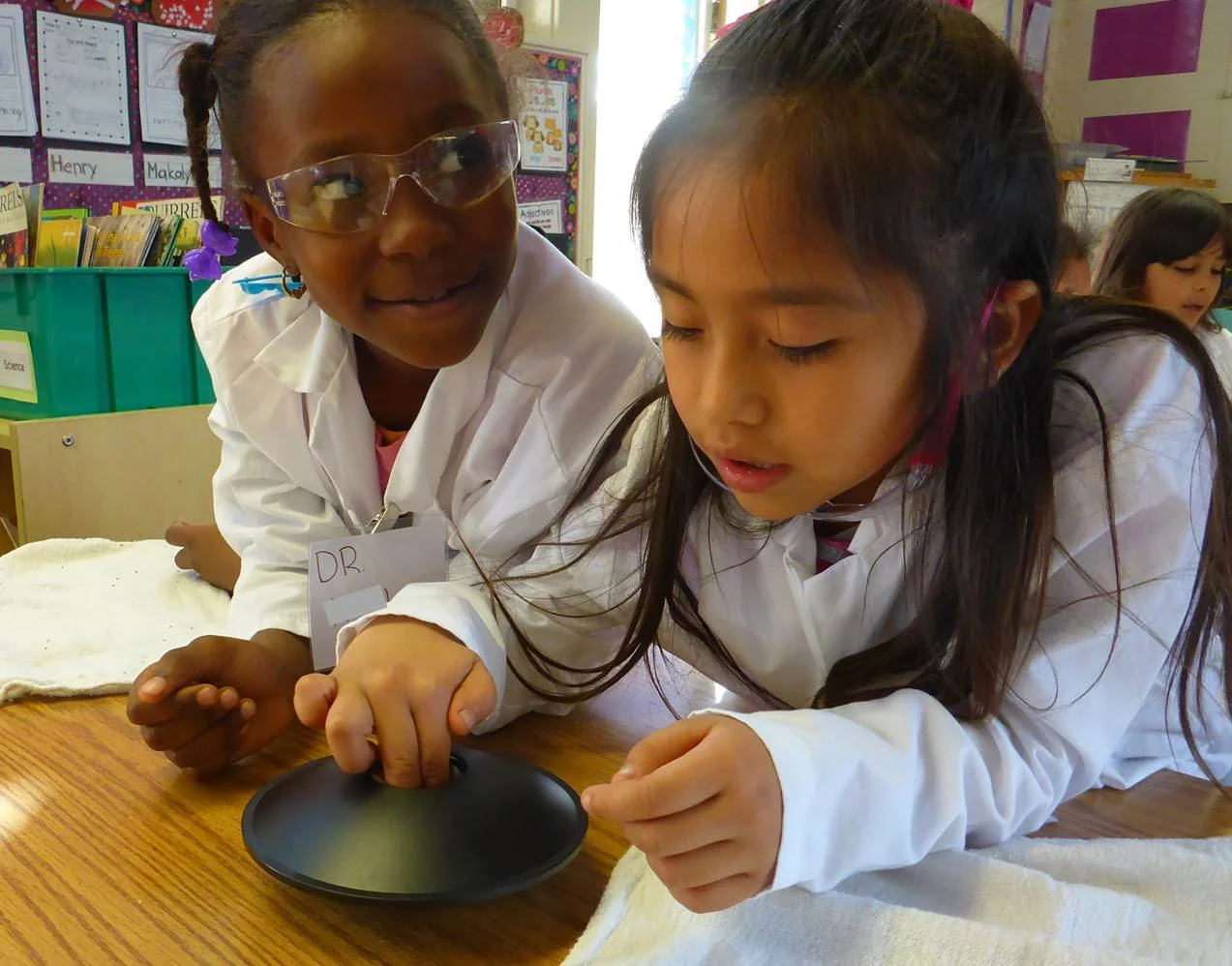
We are in the exciting process of modifying our It's Elementary programming to a science and literacy focus. Learning2 retains the hands-on science learning while bringing in read alouds, word work, reading passages and writing exercises. The science & literacy integration is based on our current best understanding on how students build reading comprehension skills and science knowledge. Learning2 is done in collaboration with our wonderful partners California Reading and Literature Project (CRLP) and Elementary Institute of Science (EIS).
The lessons outlined below describe the “It’s Elementary” lessons, the website will be updated with more information soon.
Lessons align with with the Next Generation Science Standards (NGSS). For more information, please contact omullins@science-delivered.org or call (619) 494-0014.
Please scroll DOWN for program descriptions
For the 2024-2025 school year, class visits are funded by individual donors (thank you!) and:

All About Air
Kindergarten
Relates to :
DCI: Earth's Systems
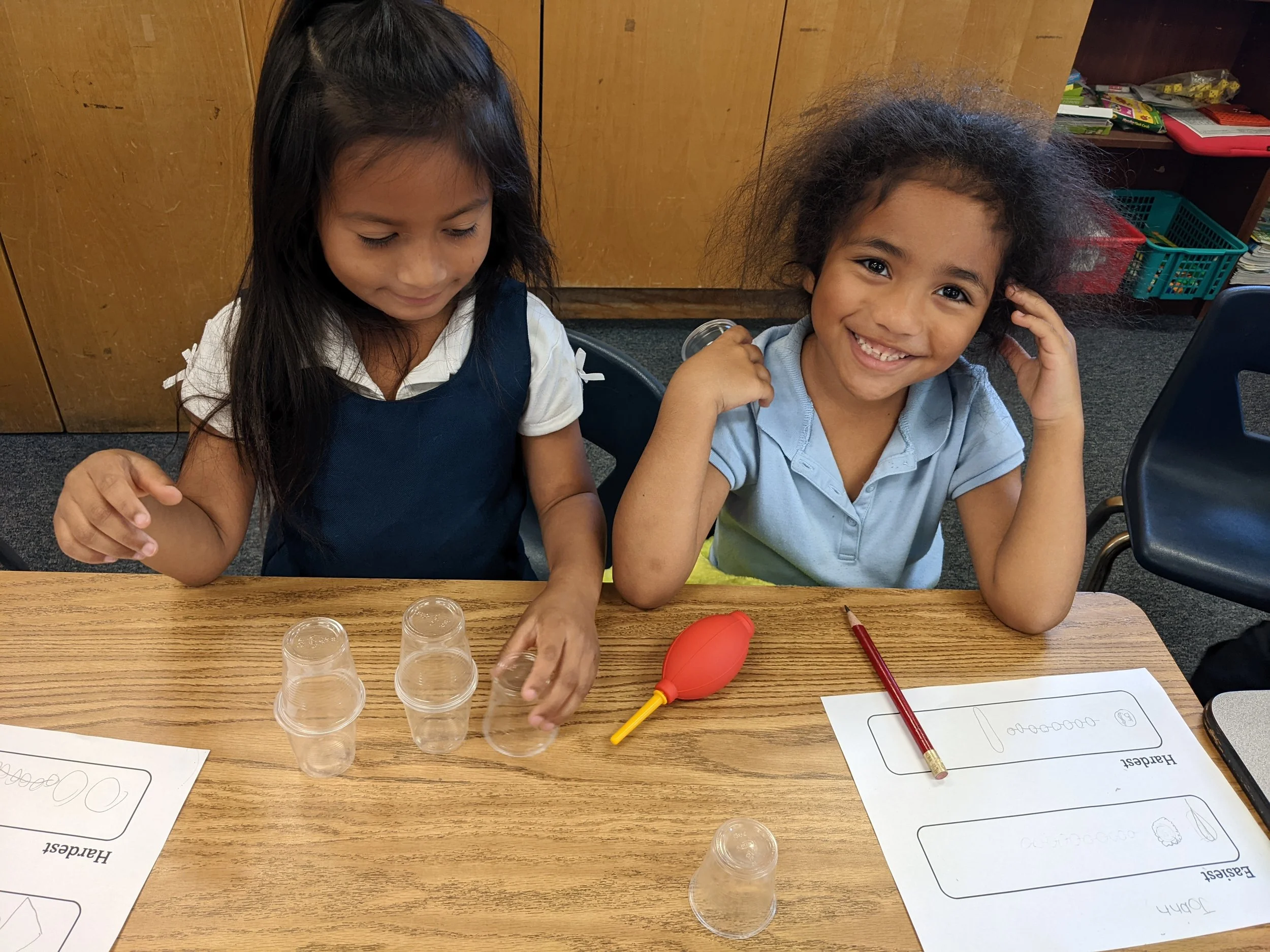
Students learn about air in this high energy class. Students watch cans get knocked over with a ball of air and watch a balloon fly around the room. They then get to knock down their own towers and other objects as they explore the power of air. Students then see how air can keep a piece of paper in a cup dry, even when the cup is submerged in water!
STUDENTS LOVE
Watching cans get knocked over.
Getting (gently) hit by balls of air.
Moving items with air.
STUDENTS LEARN
That air is SOMETHING
That air takes up space
That wind is made of moving air
Ramps (Push/Pull)
Kindergarten
DCI: Forces and Interactions
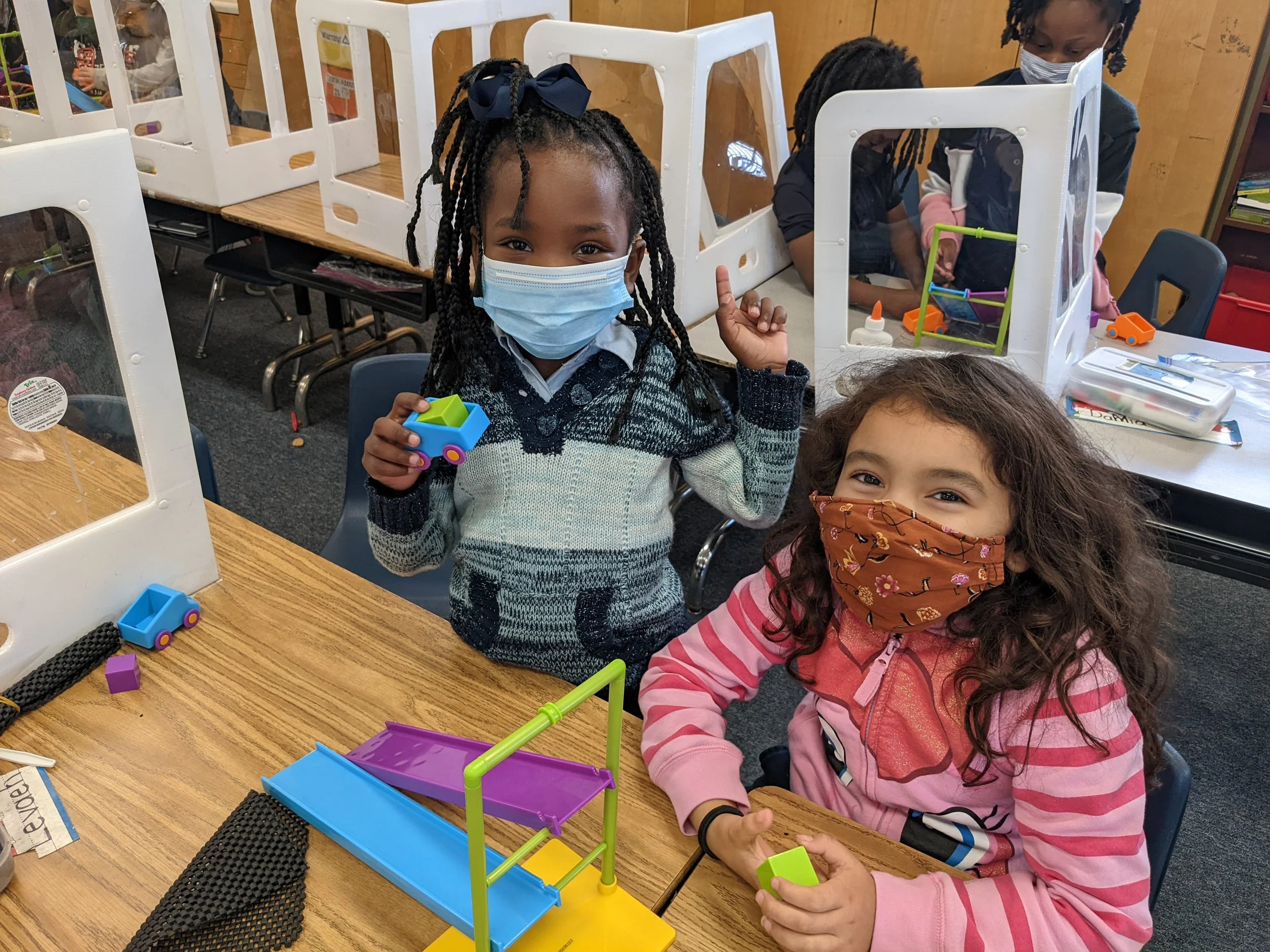
Students explore pushes, pulls, and ramps. We use the Learning Resources Force & Motion Activity Set. We discusses how pushes and pulls can make things move, stop movement, or even create no visible movement! Then students explore how cars and other items move (or not) when placed on ramps of different heights and textures.
STUDENTS LOVE
Playing with cars
Creating ramps of different heights and slopes.
Creating creative mini-experiments.
STUDENTS LEARN
About forces, pushes, pulls, and ramps.
How ramps of different heights and slopes affect the speed of the car.
How to make comparisons in investigations.
Before the lab watch and discuss pushes and pulls.
Waves of Sound
gRAde 1
DCI: Waves and their Applications in Technologies for Information Transfer
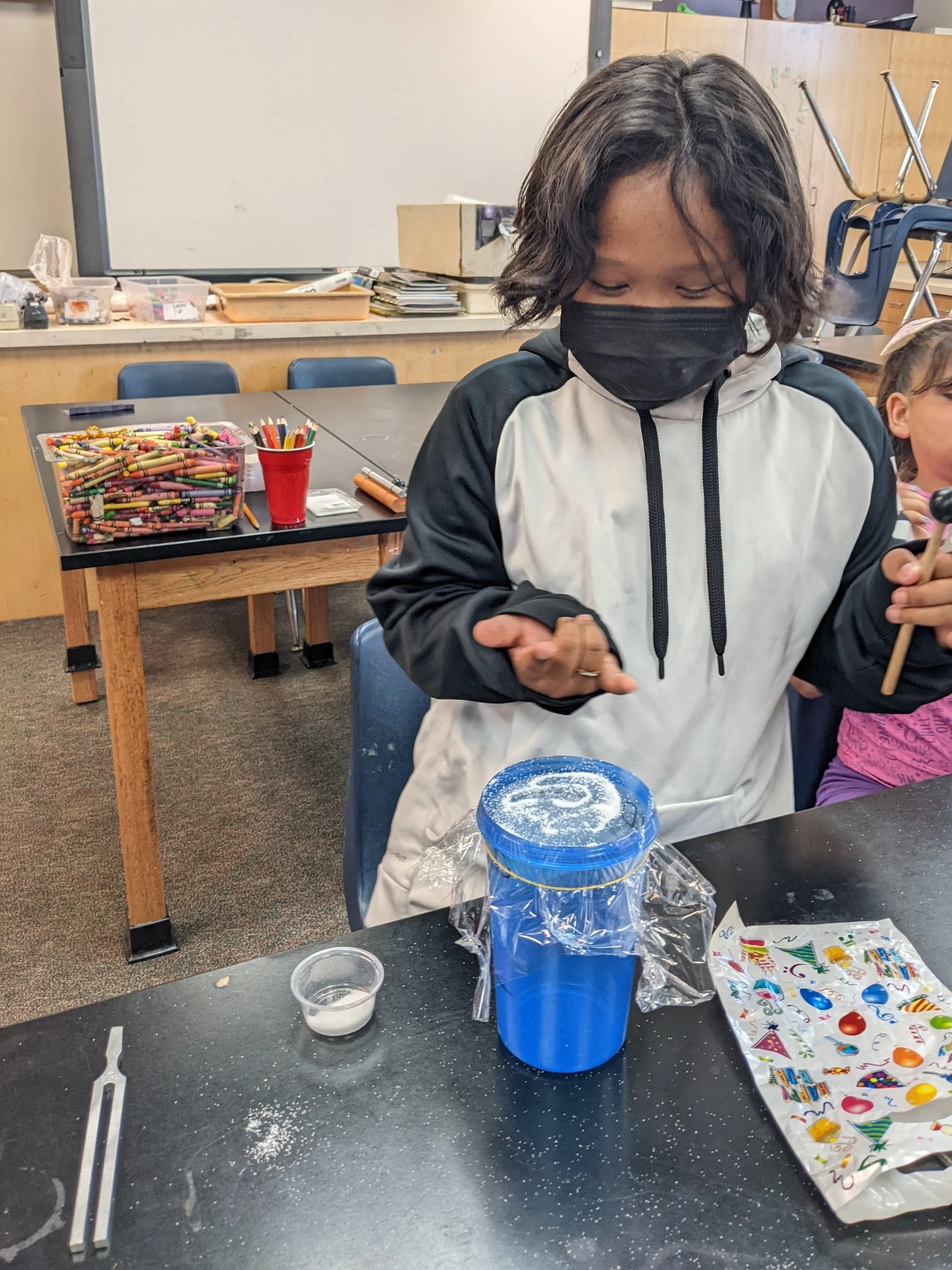
A fun class which brings the abstract to life! In this class we study sound and the relationship between sound and movement. Using tuning forks, students make salt “magically” bounce on a salt-trampoline. But it’s not magic, it’s science! Students then explore how tuning forks and water interact, and think about how waves behave.
STUDENTS LOVE:
Making salt bounce with sound
Hearing the low sounds from large tuning forks
Making a splash with a tuning fork and water
STUDENTS LEARN:
To think about the relationship between sound and movement
That sound can move things
What sounds ARE (vibrations)
Science of Shadows
Grade 1: NGSS
DCI: Waves and their Applications in Technologies for Information Transfer
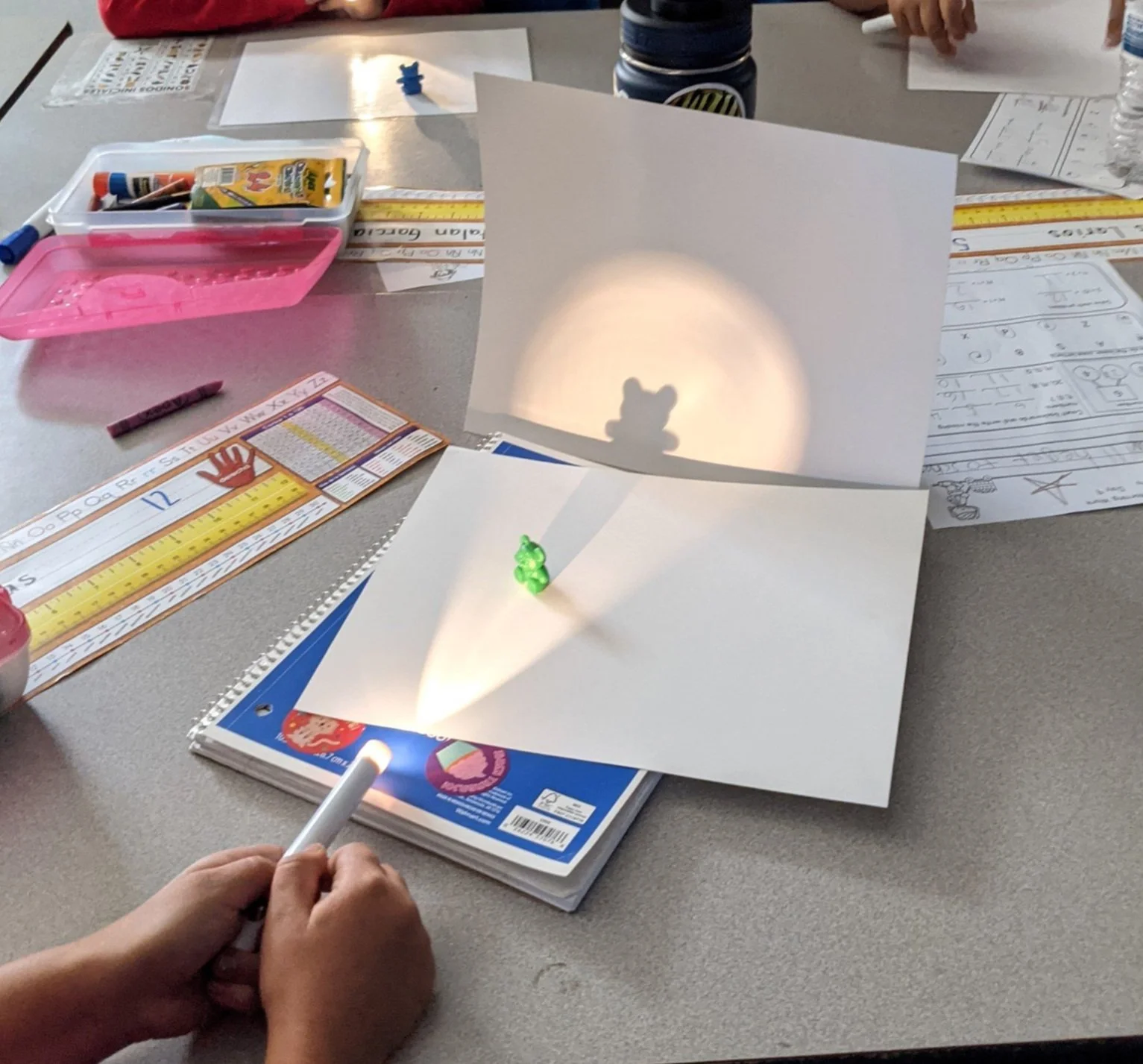
Students experiment with light in this illuminating two-part lesson series! We start by reading Moonbear’s Shadow and students consider if Moonbear understands the science of shadows! Students then create shadows at their desk, and then on the "Shadow Wall" (a large sheet). Students study the changes in shadows with a near or far light source, a light source coming from different angles, or multiple light sources!
In the second lesson, students undergo an investigation on whether different materials can “block” light. Like the real scientists they are, students collect data!
STUDENTS LOVE:
The "Shadow Wall"
Colored lights
Investigating like real scientists
STUDENTS LEARN:
A shadow is created when light is blocked
Some materials block light, others do not
The basics of a scientific investigation
Spinning In Space
Grade 1: NGSS
DCI: Earth’s Place in the Universe
SEP: Developing and Using Models
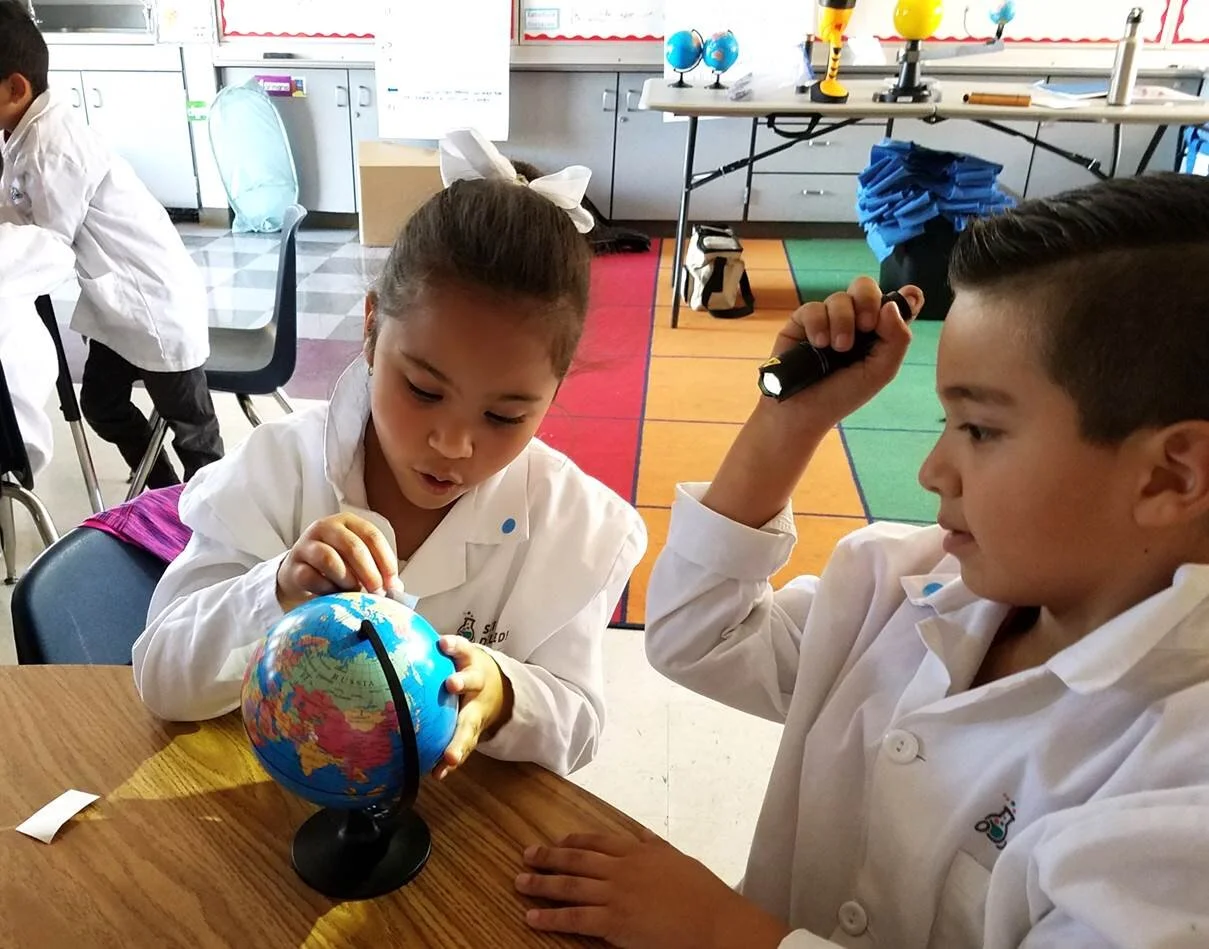
Students learn about day-night cycles in this interactive class. We start with our sun-moon-earth apparatus to demonstrate how the space bodies move in relation to each other. Students then use flashlights and globes to see for themselves how day-night cycles occur. They get awesome “Earth Ponchos” and THEY become the model of the Earth. At the end of the lab, we show students our scaled planets so they can start to get a sense of the vastness of our solar system and universe!
STUDENTS LOVE
Exploring day-night cycles with flashlights
Wearing "Earth Ponchos" and acting as the Earth
Seeing scaled planets
STUDENTS LEARN
That the earth both spins (rotates) and revolves
That the earth spinning causes day and night cycles
That you can use many types of models to study a subject
Properties of Materials Series
Grade 2: NGSS
NGSS: Matter and Its Interactions
Lesson 1: Why Connect?
Goal: To identify similarities and differences in objects.
Literacy: Read Aloud “Different? Same!”
Activity: Why Connect?
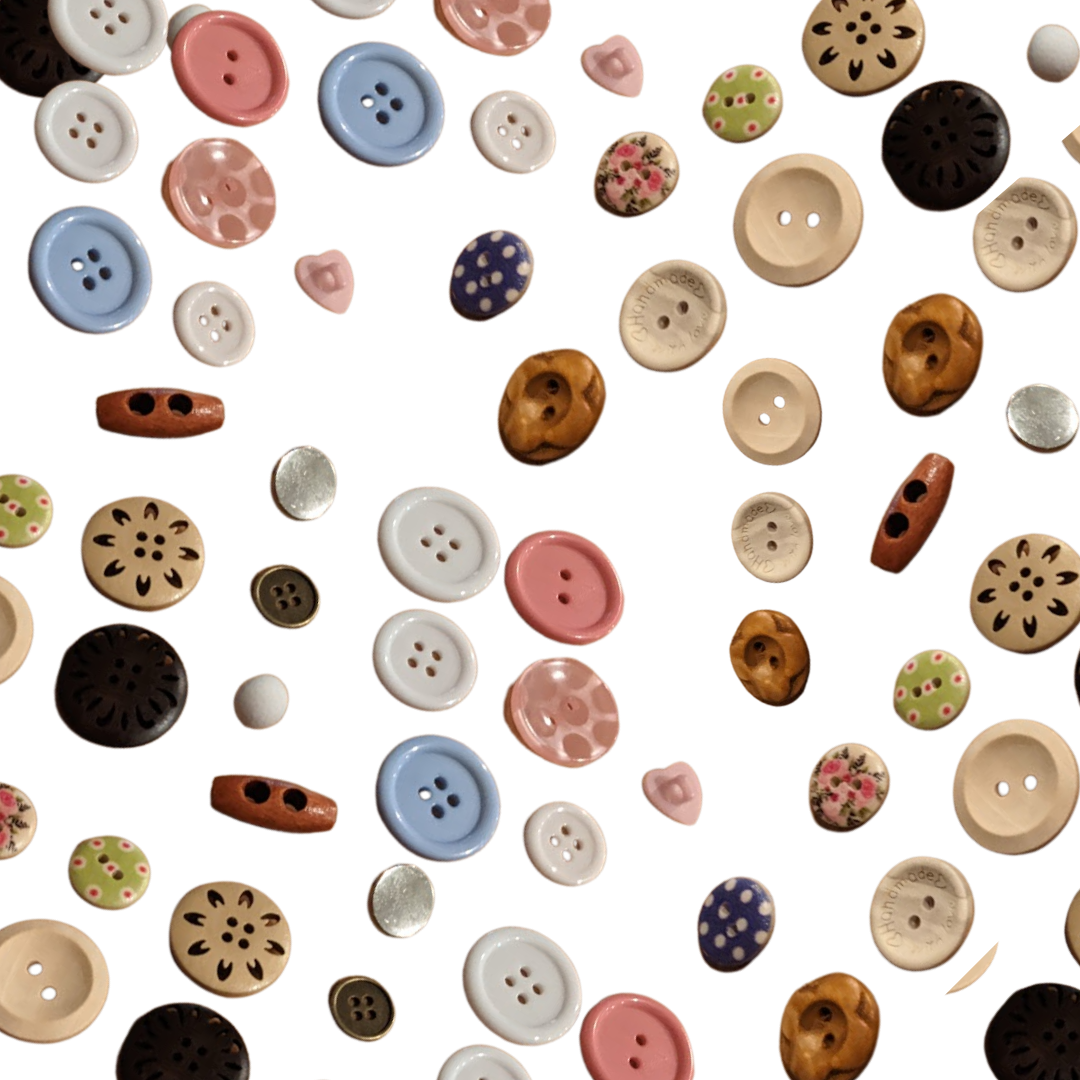
Lesson 2: Categorization with Buttons
Goal: To sort and categorize buttons by their properties.
Literacy: Word work with “to sort.”
Activity: Button sorting
Lesson 3: Sink-Float
Goal: To identify the properties of materials that sink and float.
Literacy: Read Aloud: Blue Floats Away
Activity: Testing of items that sink and float
Lesson 4: Measuring Cubes
Goal: To investigate properties of size and weight. To learn to use a scale.
Literacy: Read Aloud: How Much Does a Ladybug Weigh?
Activity: Measuring cubes with rulers and weighing them with a scale.
Lesson 5: What Absorbs?
Goal: To investigate which materials absorb or repel water.
Literacy: Word work - ‘to absorb’
Activity: Testing various materials on their absorbency.
Lesson 6: Watercolors Absorb
Goal: To see how properties are important for art.
Literacy: Read Aloud: Ablaze with Color by Jeanne Walker Harvey
Activity: Watercolor painting using the RESIST art technique
Plants Growth & Seeds
Grade 2: NGSS
Ecosystems, interactions, Enrgy and Dynamics
Lesson 1: “Planting”
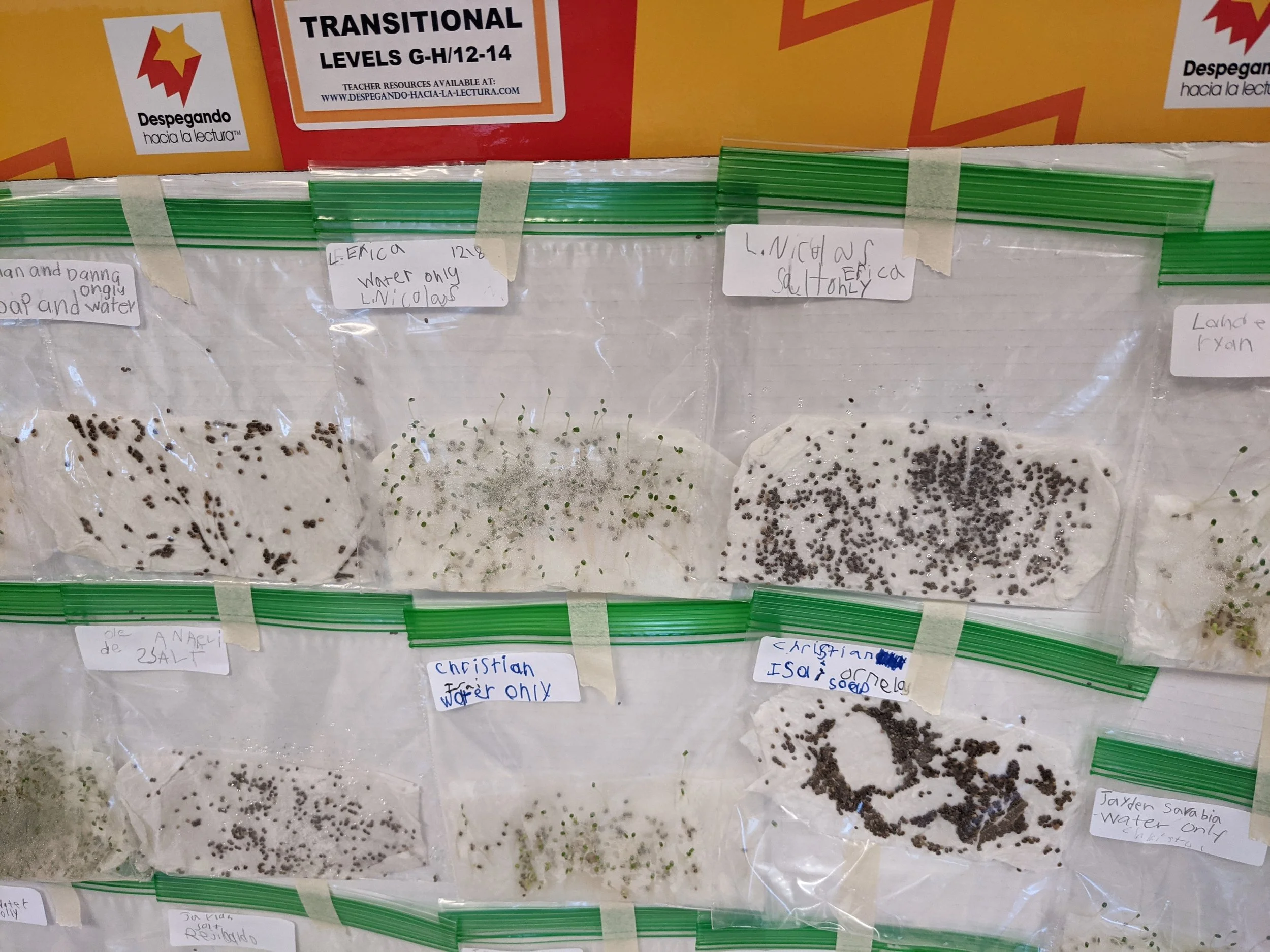
Students “plant” chia seeds in plastic bags and set up their experiments. Each pair sets up a control and experimental condition. Bags are placed on a board so students can watch the seeds sprout over the week.
Lesson 2: Results & Microscopes
Students observe their seeds after a week and see which seeds grew! Students record their results. They look at the sprouts along with unsprouted seeds through microscopes.
STUDENTS LOVE:
“Planting” their seeds
Looking at seeds and sprouts through a microscope
Seeing which of their seeds grow!
STUDENTS LEARN:
About plant and seed growth
How to set up an experiment with controls
What seeds and sprouts look like under a microscope
What Do You Need to Survive?
Grade 3
DCI: Biological Evolution: Unity and Diversity
CCC: Patterns
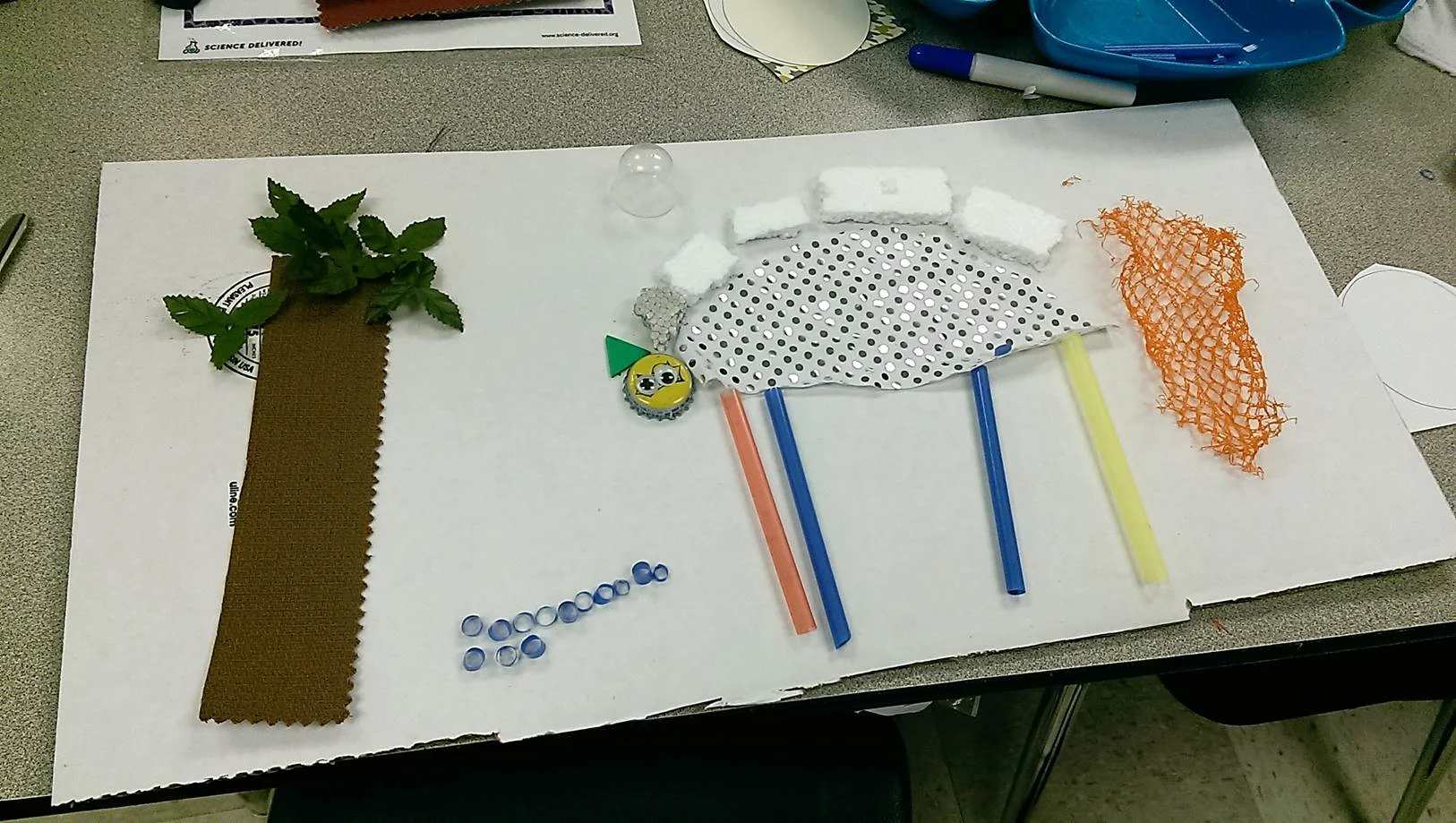
STEAM! This class blends the sciences and the arts in a fun and creative way. Students learn about adaptations that help animals survive their different habitats. They are then assigned a habitat and a diet for their animal. Using recycled materials, students create their own imaginary animals with features that are best adapted to survive in this new environment.
STUDENTS LOVE:
Learning about the unique ways animals have adapted
Imagining their own creatures
Using recycled materials to make art
STUDENTS LEARN:
About common and uncommon adaptations
To look for patterns in animal features and behaviors
The fun of combining art and science
Thank you to Erin Pennell + ArtFORM for help developing the art portion of the lab.
Magnetic Forces
Grade 3: NGSS
DCI: Motion and Stability: Forces and Interactions
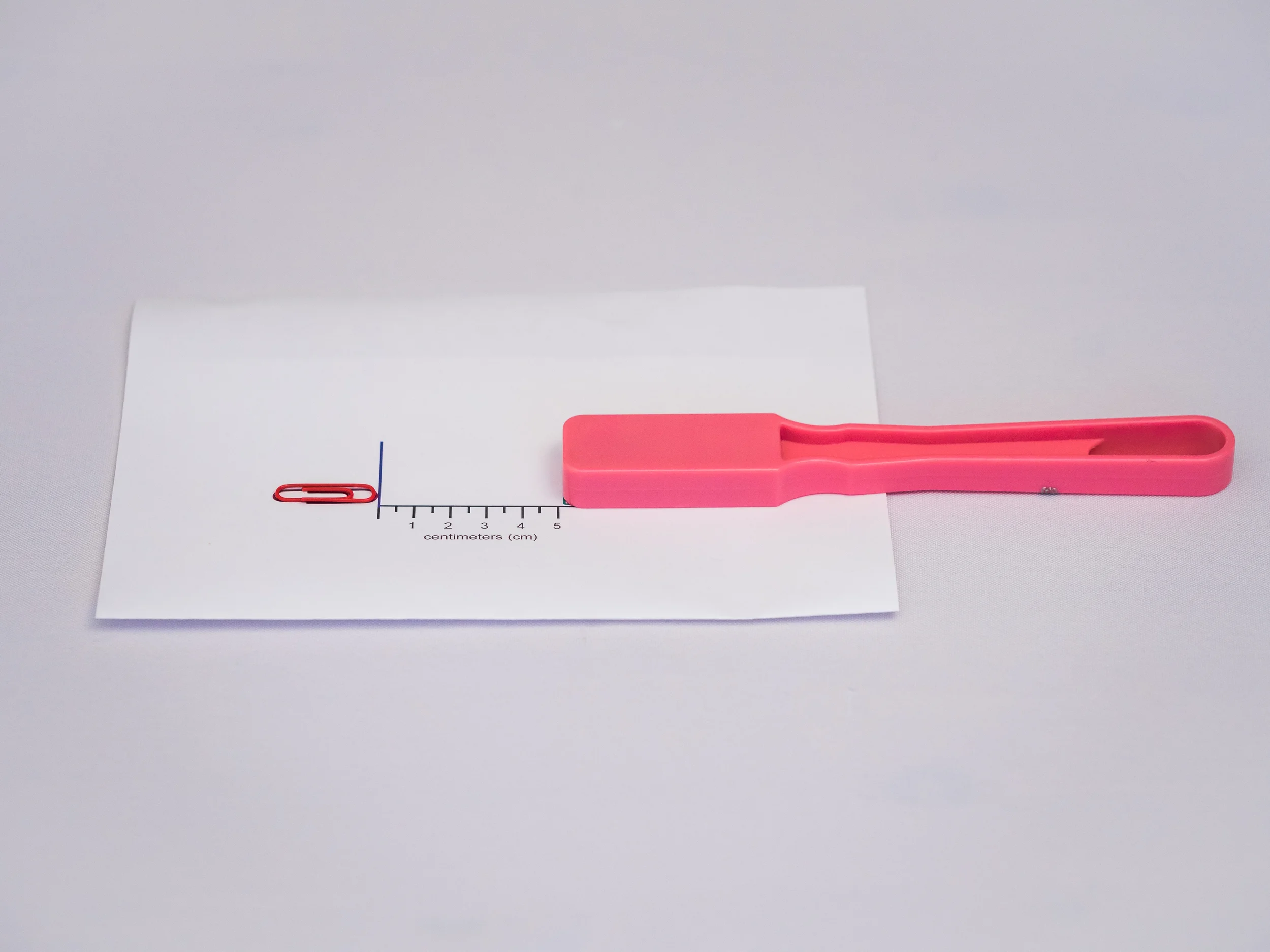
Image by Sam Poon and used in "Experimenting with Science"
Students learn all about magnets and magnetic force in this exploratory class. We first discuss forces in general, and students are then challenged to remove (magnetic) chips from a beaker with water without touching or pouring out the water. Students then see the power and usefulness of magnet with a "paperclip pick-up" demonstration. We move onto a magnet and paperclip "jump test" which is followed by "free-play" (this is one of our favorites!). For our final activity we discuss magnetic polarity, and how this causes "pushing" or "pulling", and students try to match attract/repel patterns of donut magnets on a pole.
STUDENTS LOVE:
Picking up items with magnets
Discovering "magic tricks" and other tricks with magnets
Watching donut magnets "levitate"
STUDENTS LEARN:
The scientific definition of "force", and different types of forces
That forces can work through air or other materials
Properties of magnets
Electrical Forces
Grade 3: NGSS
DCI: Motion and Stability: Forces and Interactions
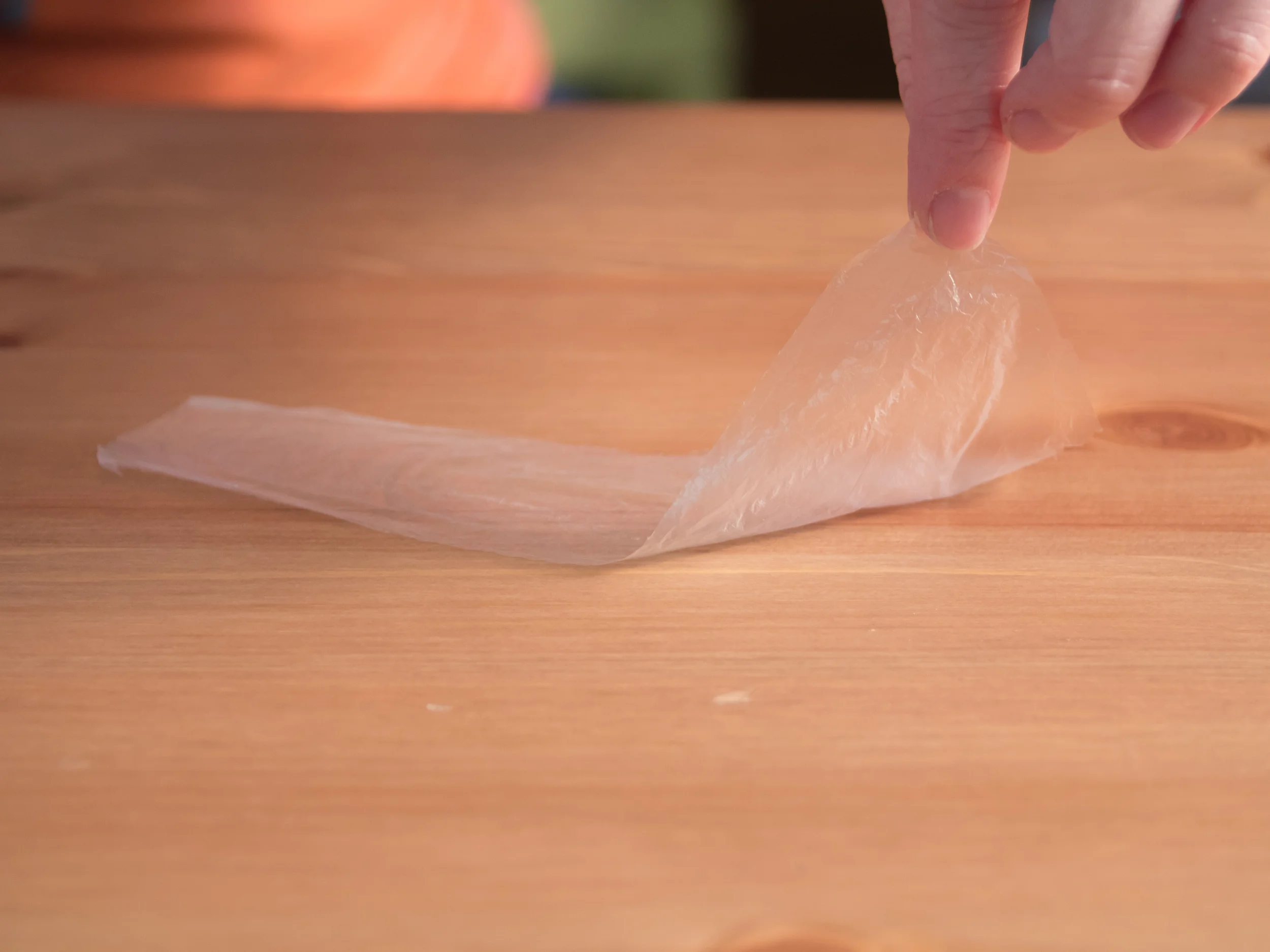
Image by Sam Poon and used in "Experimenting with Science"
Kids learn all about electricity (with a focus on static electricity) in this SHOCKING class. We start with a cool "static stick" demonstration. Students then use wool to make a thin plastic "stick" to their desks. Students then have free exploration using PVC pipe, styrofoams balls, tinsel, tissue paper, ribbon, and other materials that may or may not be moved by a static force! Students write down their observations and questions - perhaps to be explored further after we leave!
STUDENTS LOVE:
Watching a toy levitate
Making plastic stick to their desk
Investigating which objects can be moved with static force
STUDENTS LEARN:
The definition of "force" and different types of forces
That electrical forces can move through the air and can't be "seen"
The types of materials that create and can be moved by static force